paul clemence spotlights bioparque pantanal in brazil wetlands
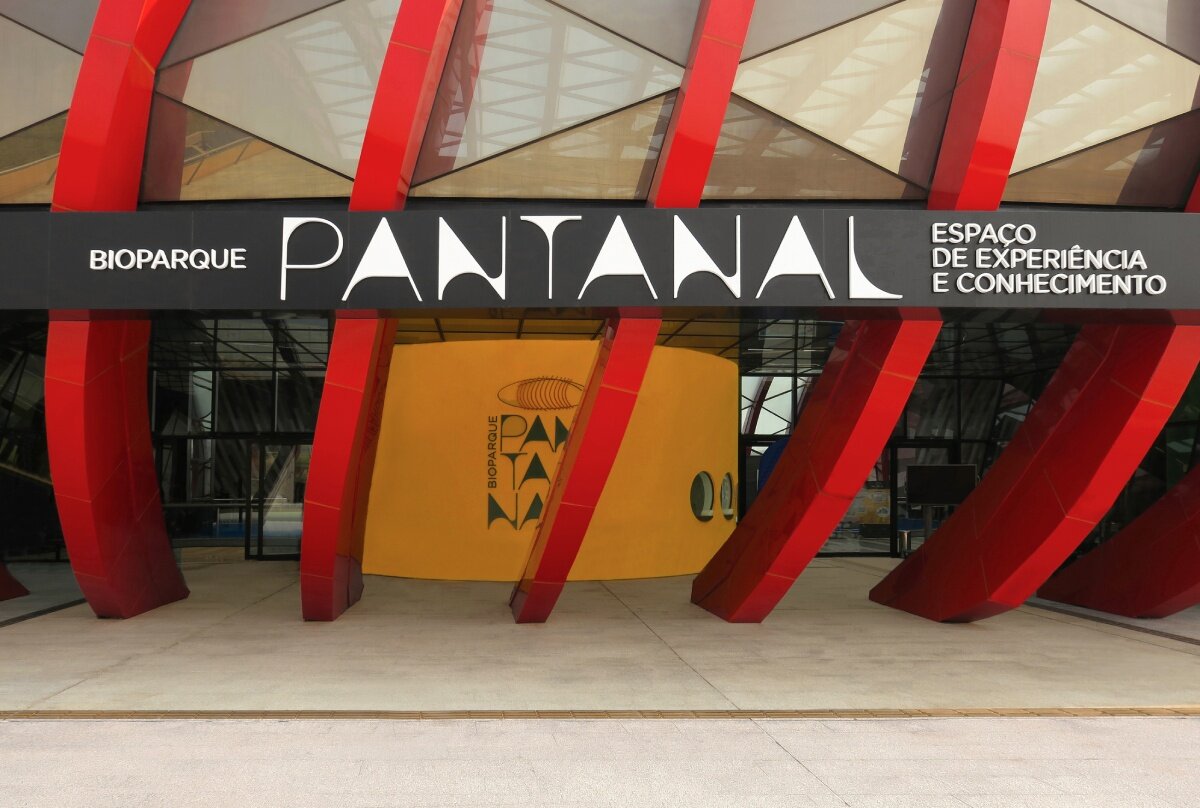
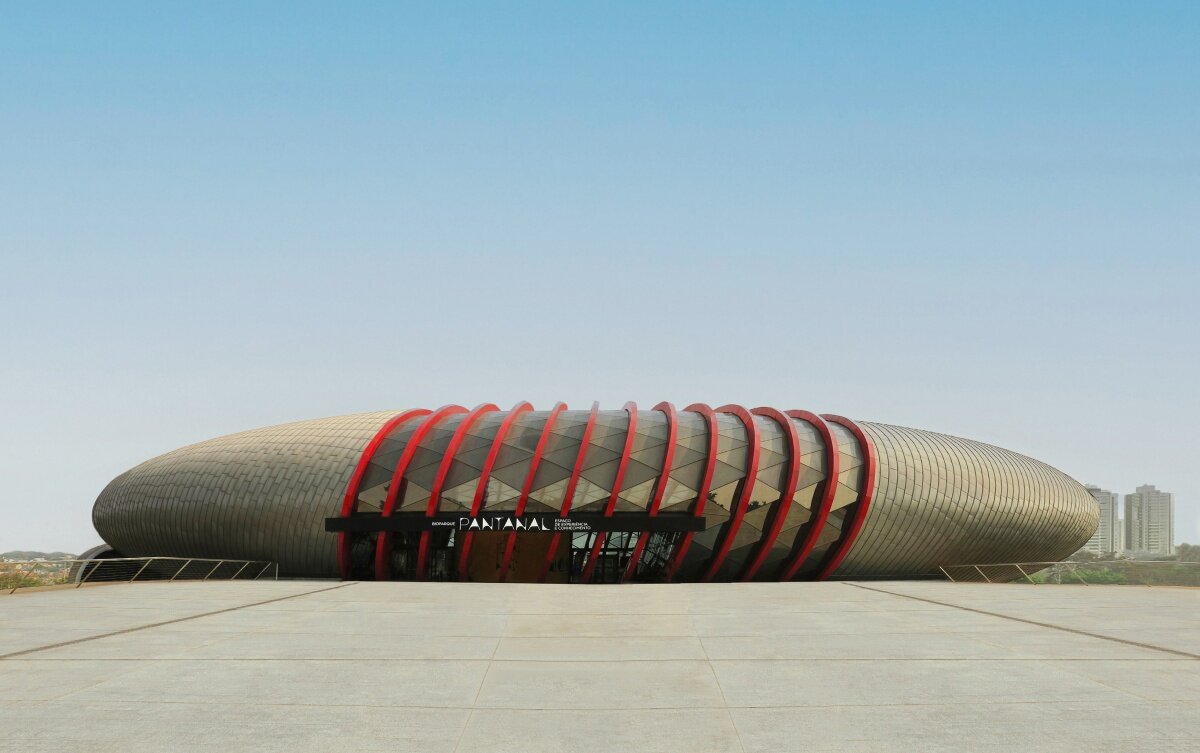
Brazil’s Bioparque Pantanal designed by the late Ruy Ohtake becomes the architectural protagonist of Paul Clemence’s new photo series. One of Ohtake’s final works, the freshwater aquarium in Campo Grande sits within the world’s largest wetland, the Pantanal, evoking its unique ecosystem and echoing its urban surroundings with its elongated and curved form. Within, it is set to become to become a cultural cornerstone in the region with a focus on accessibility and knowledge sharing, completed by a program of educational spaces, laboratories, a library, and exhibition halls.
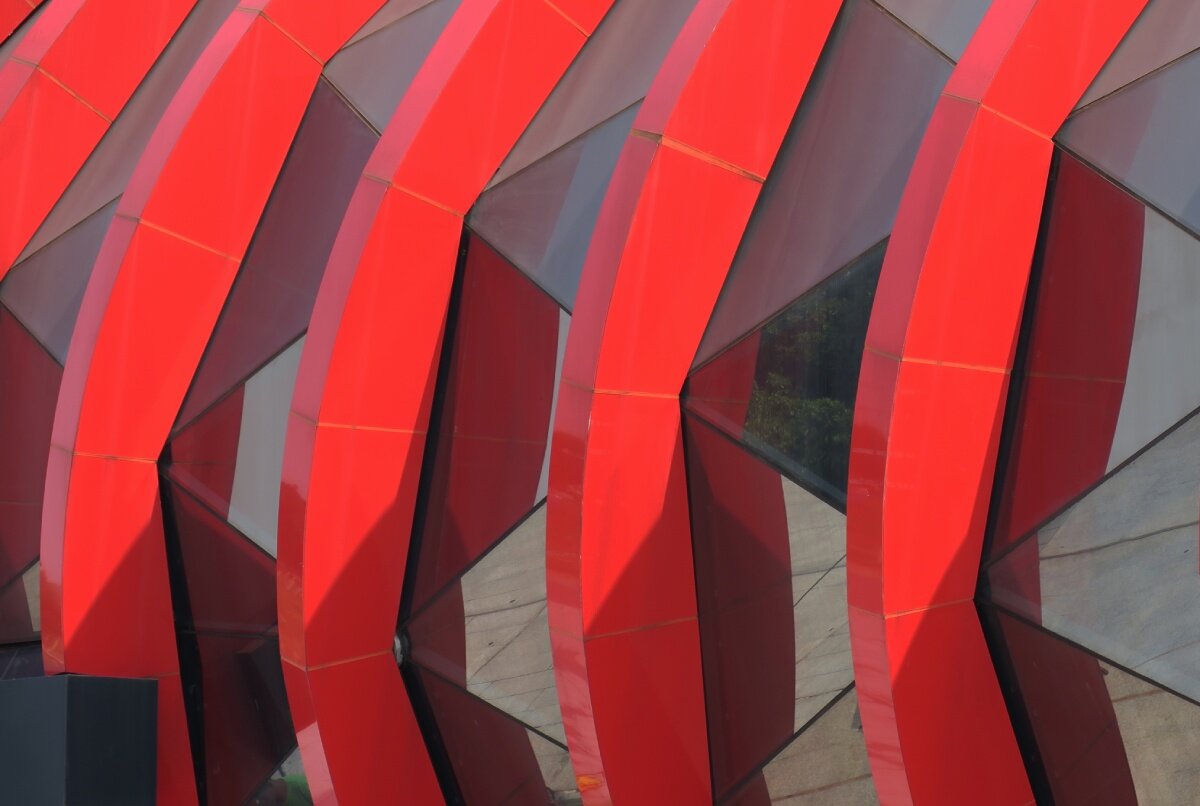
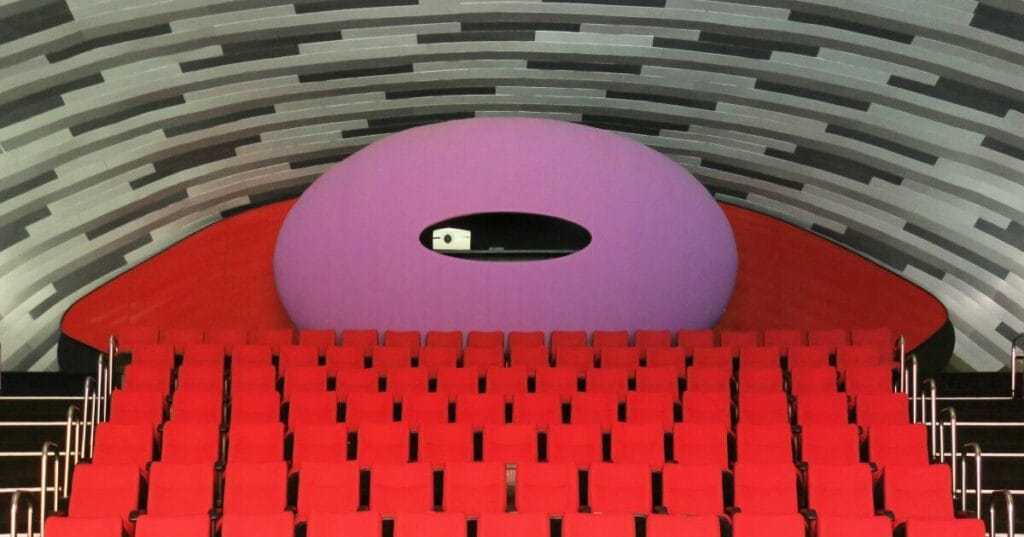
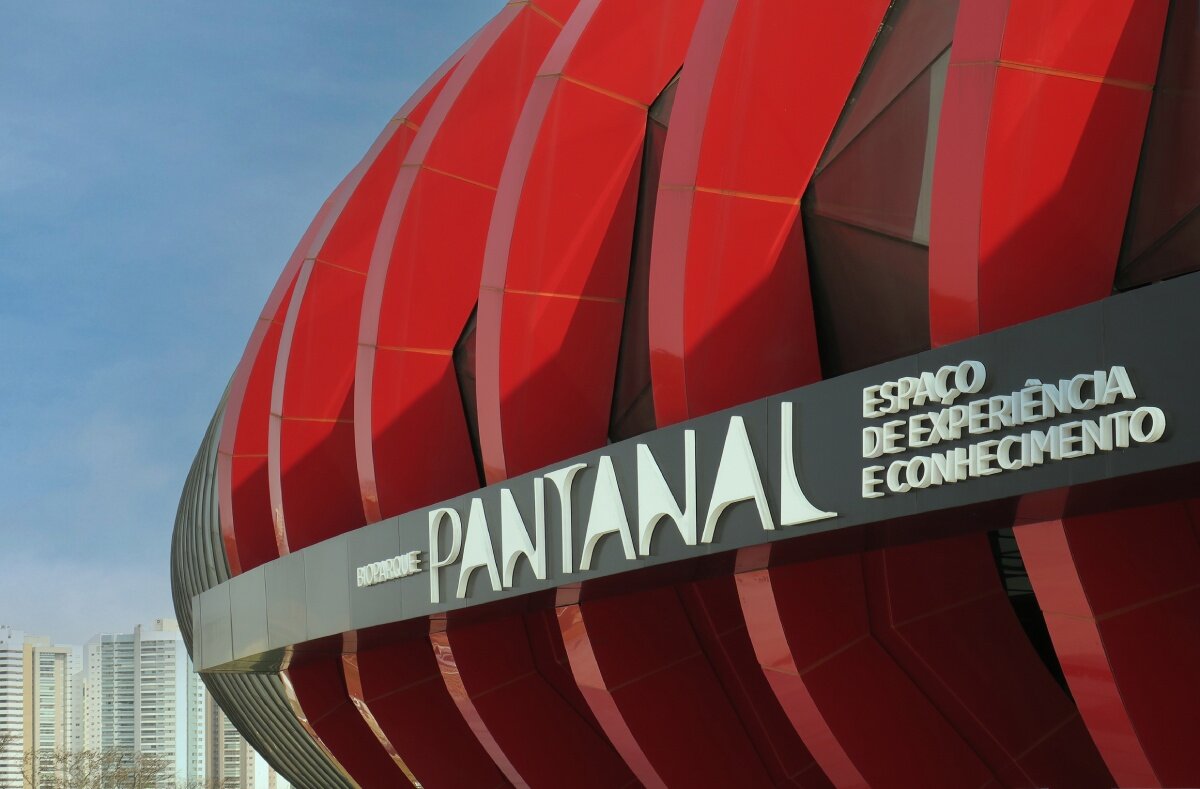
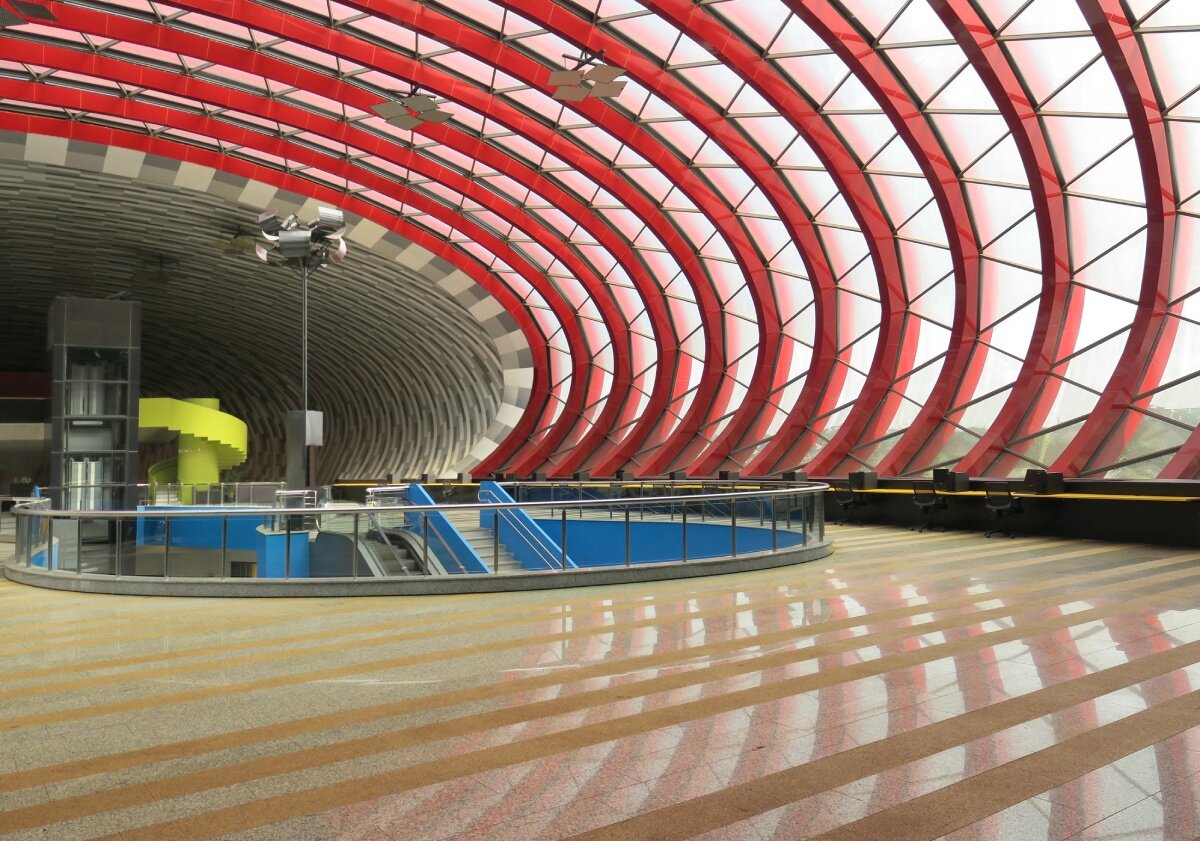
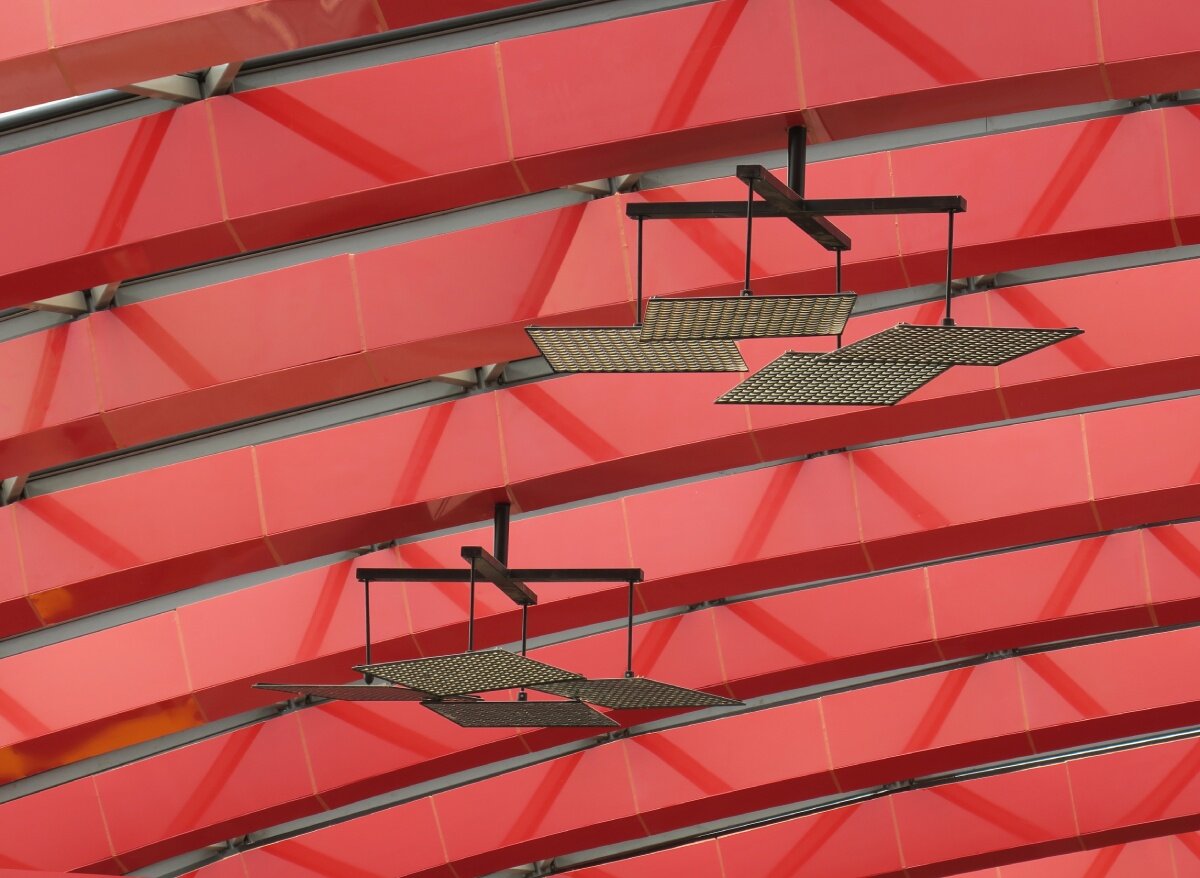
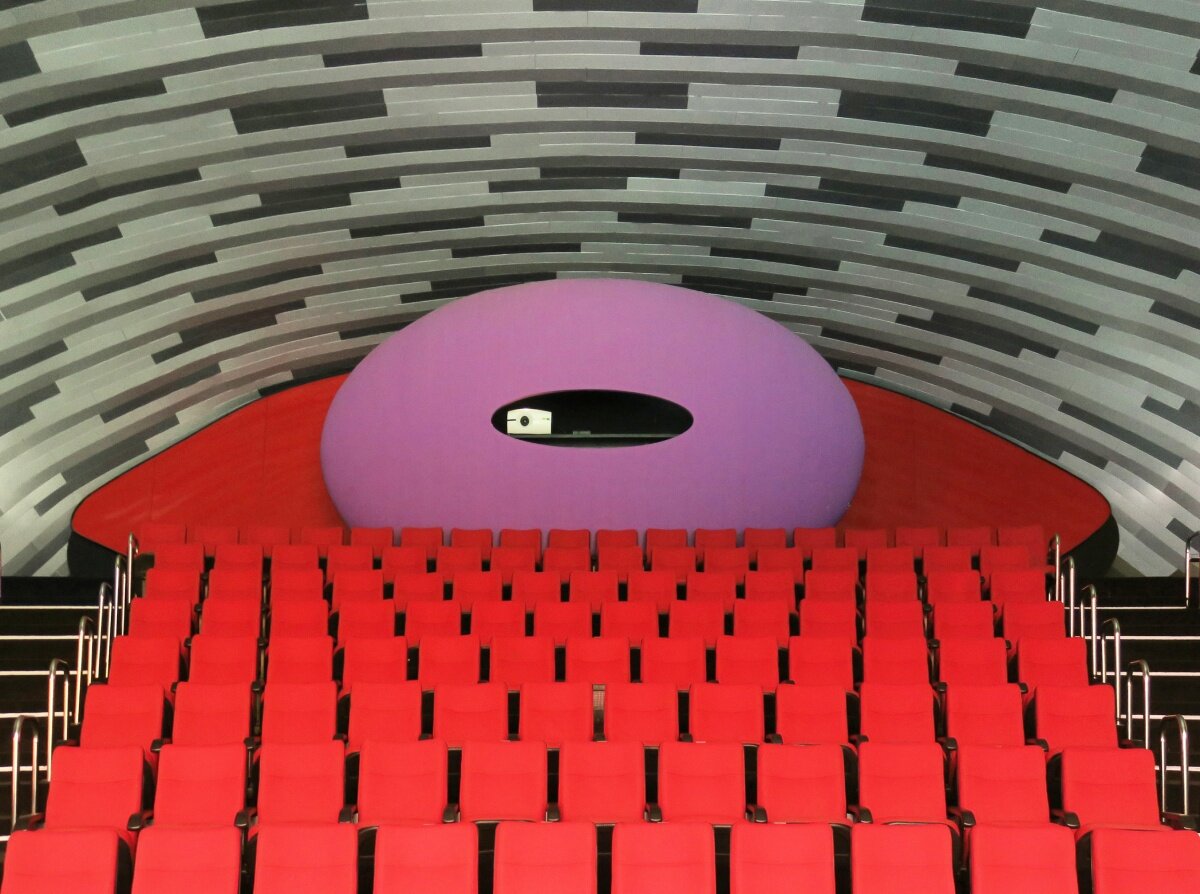
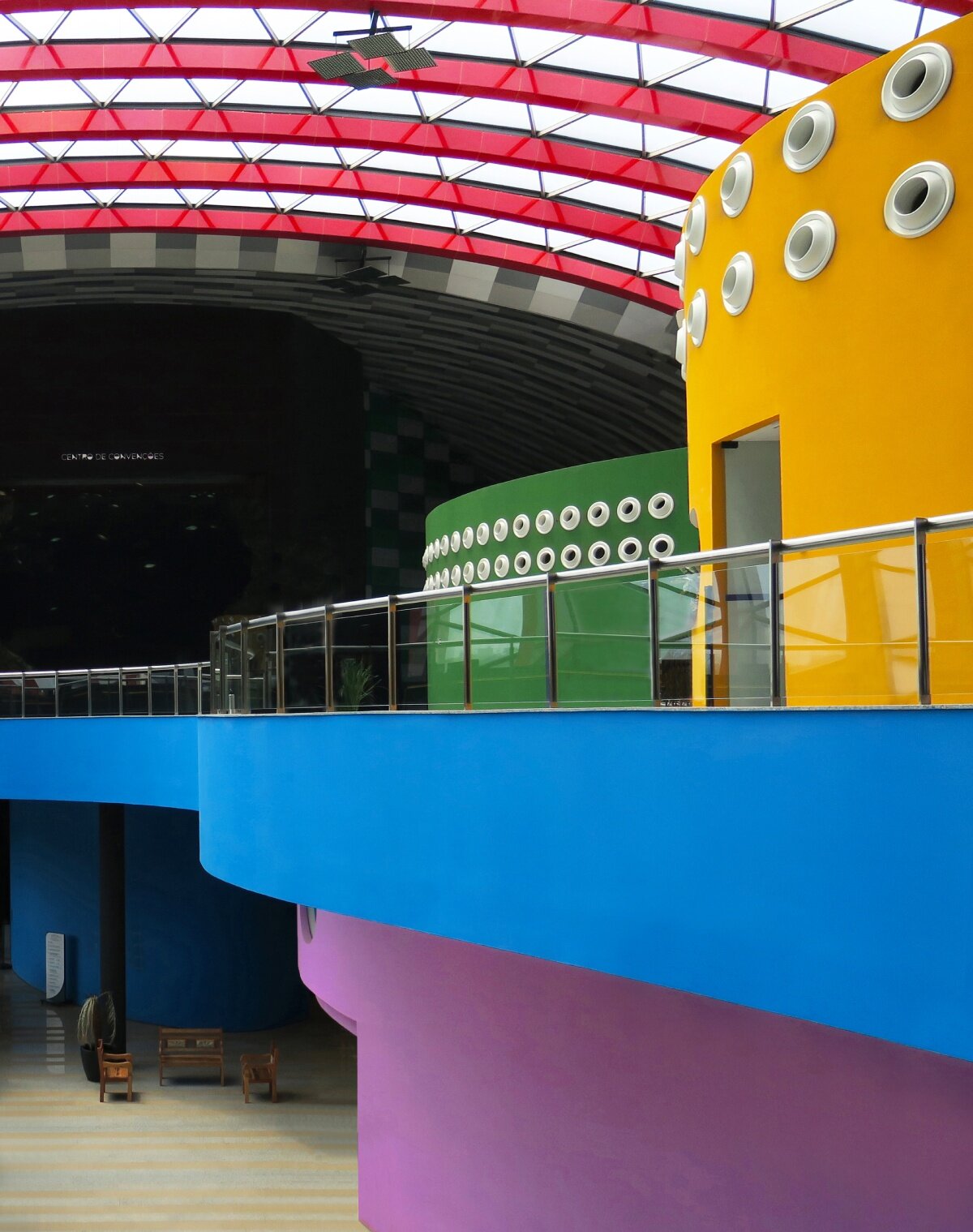
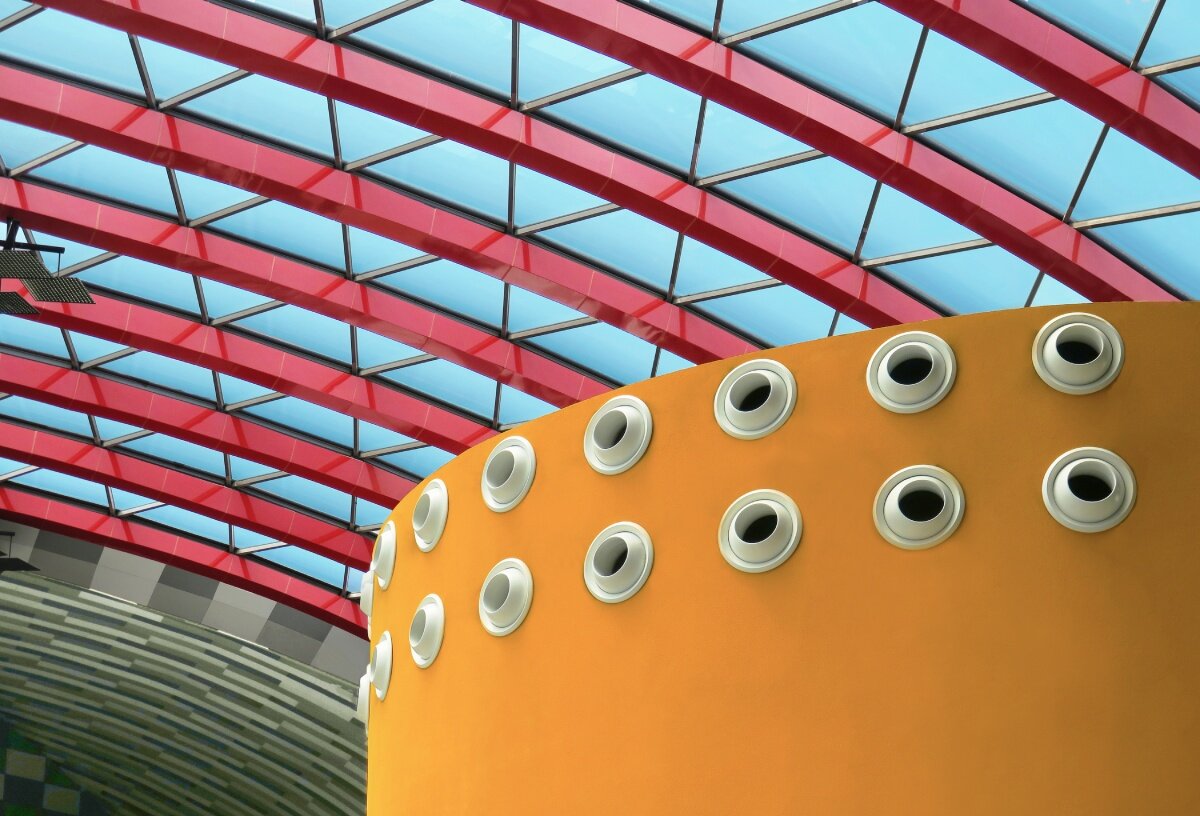
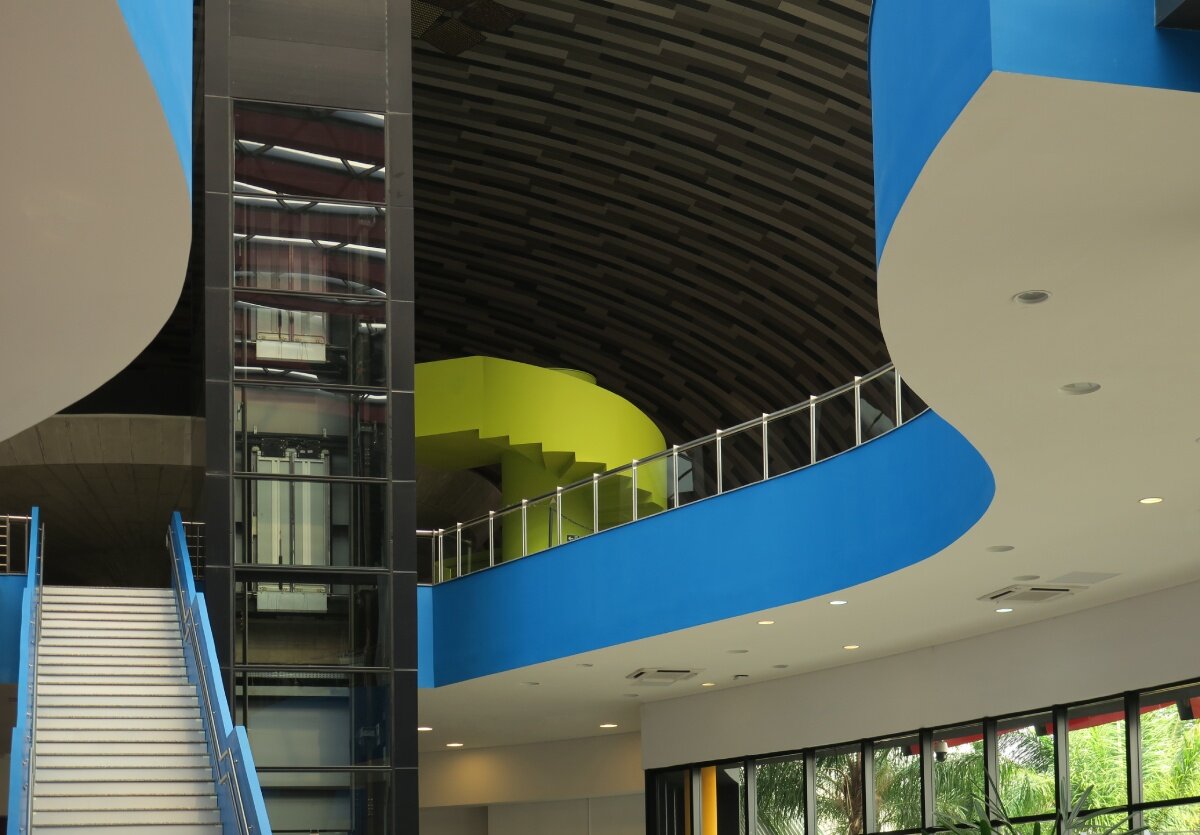
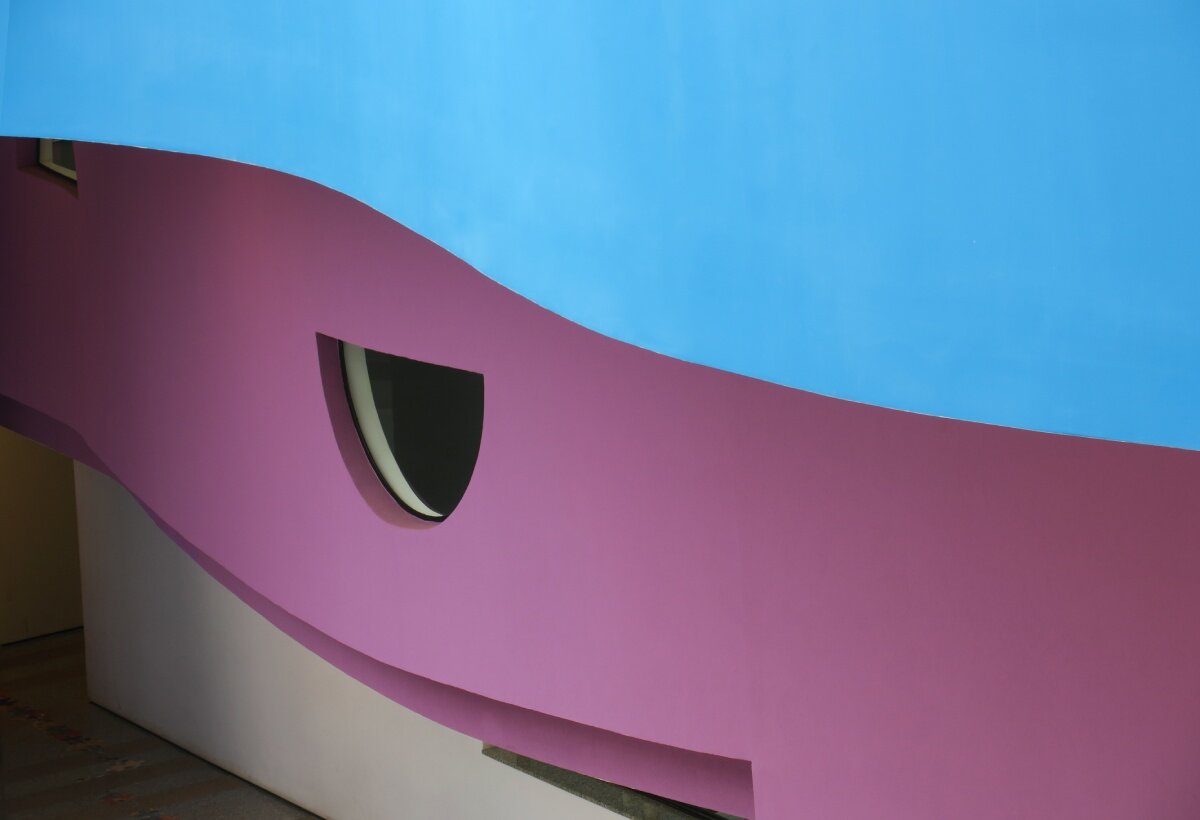
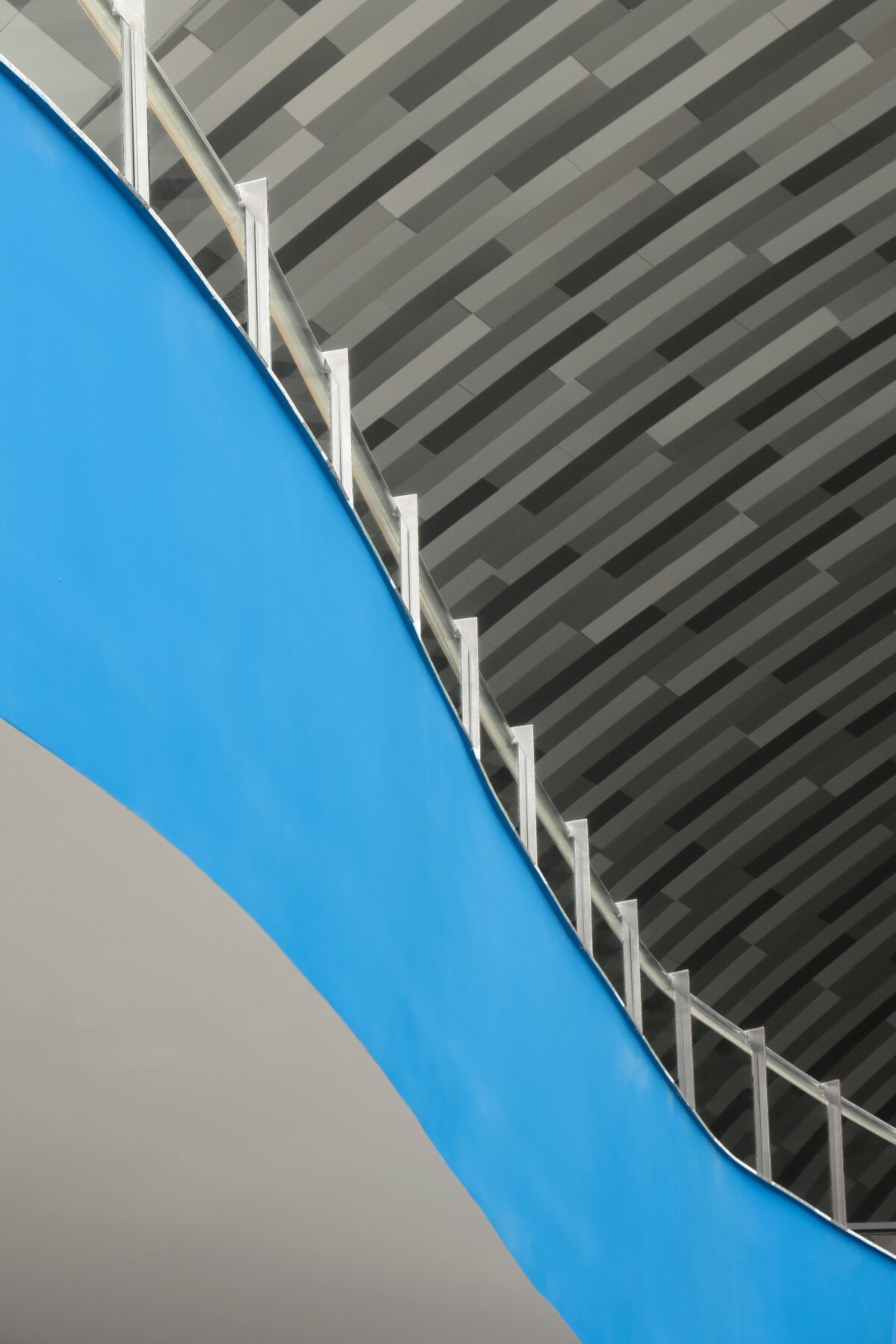
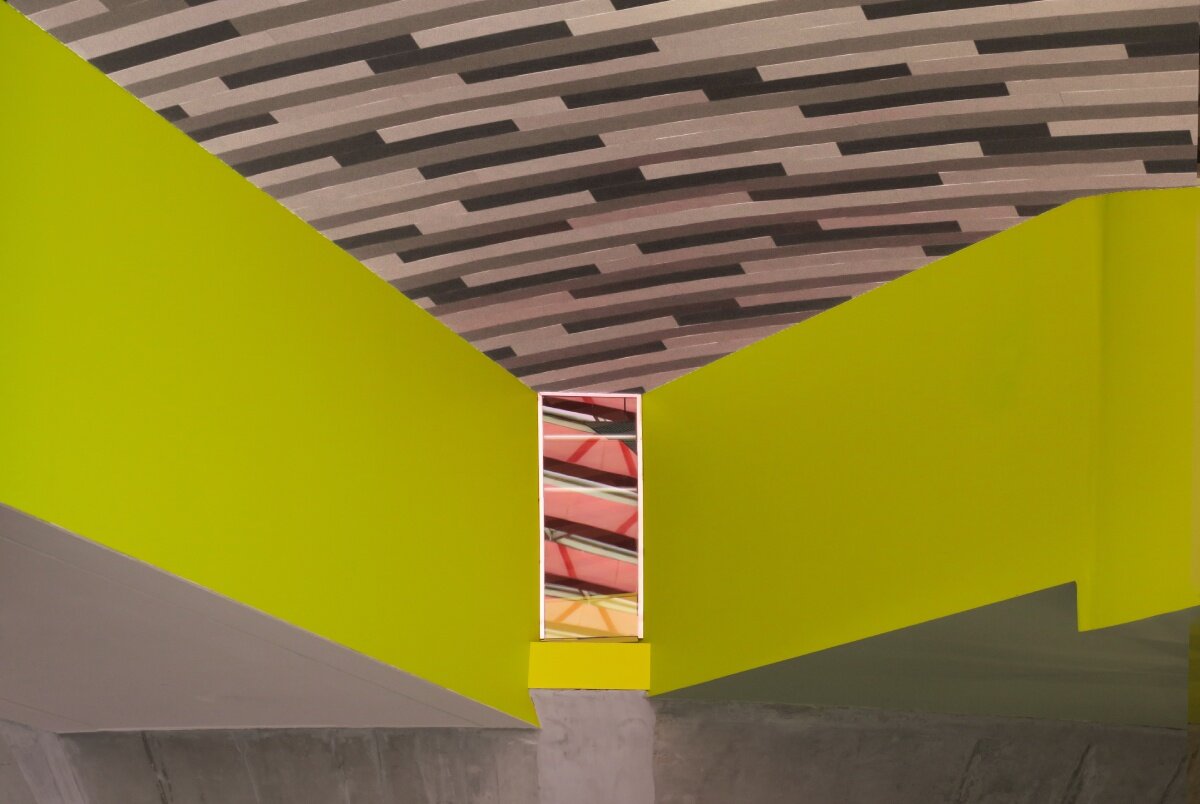
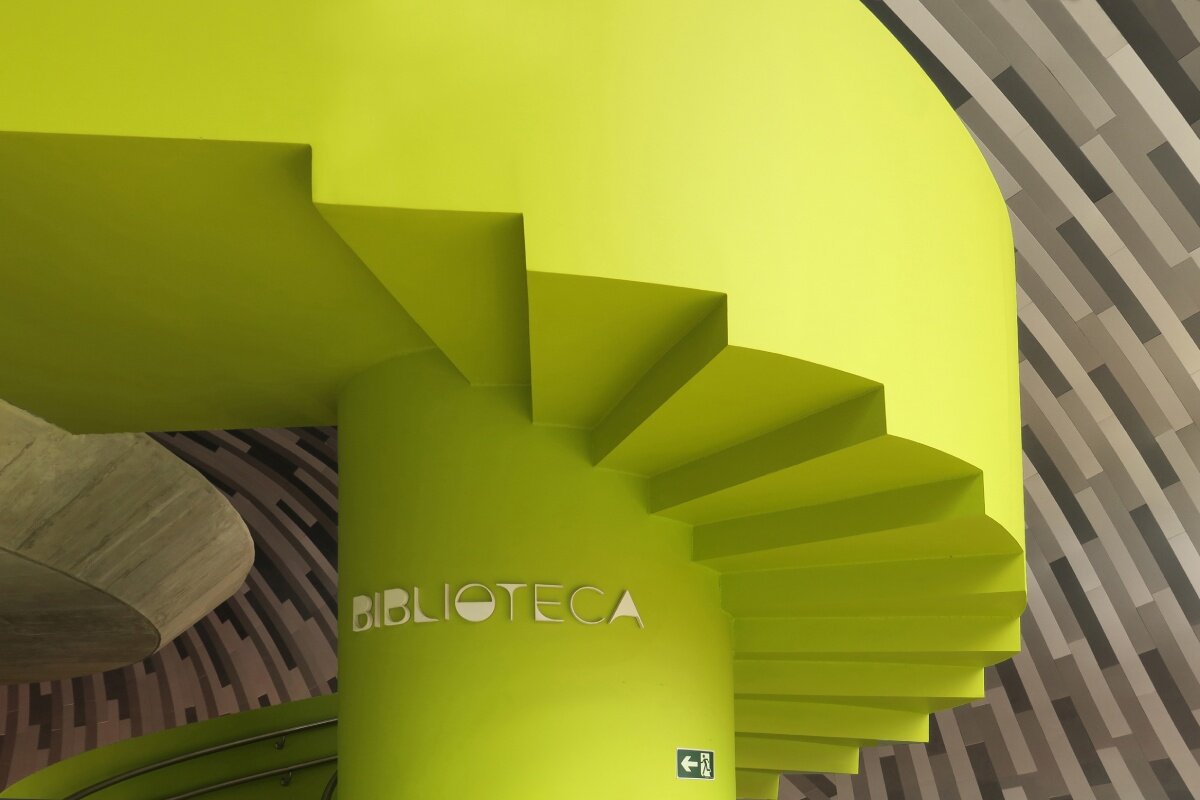
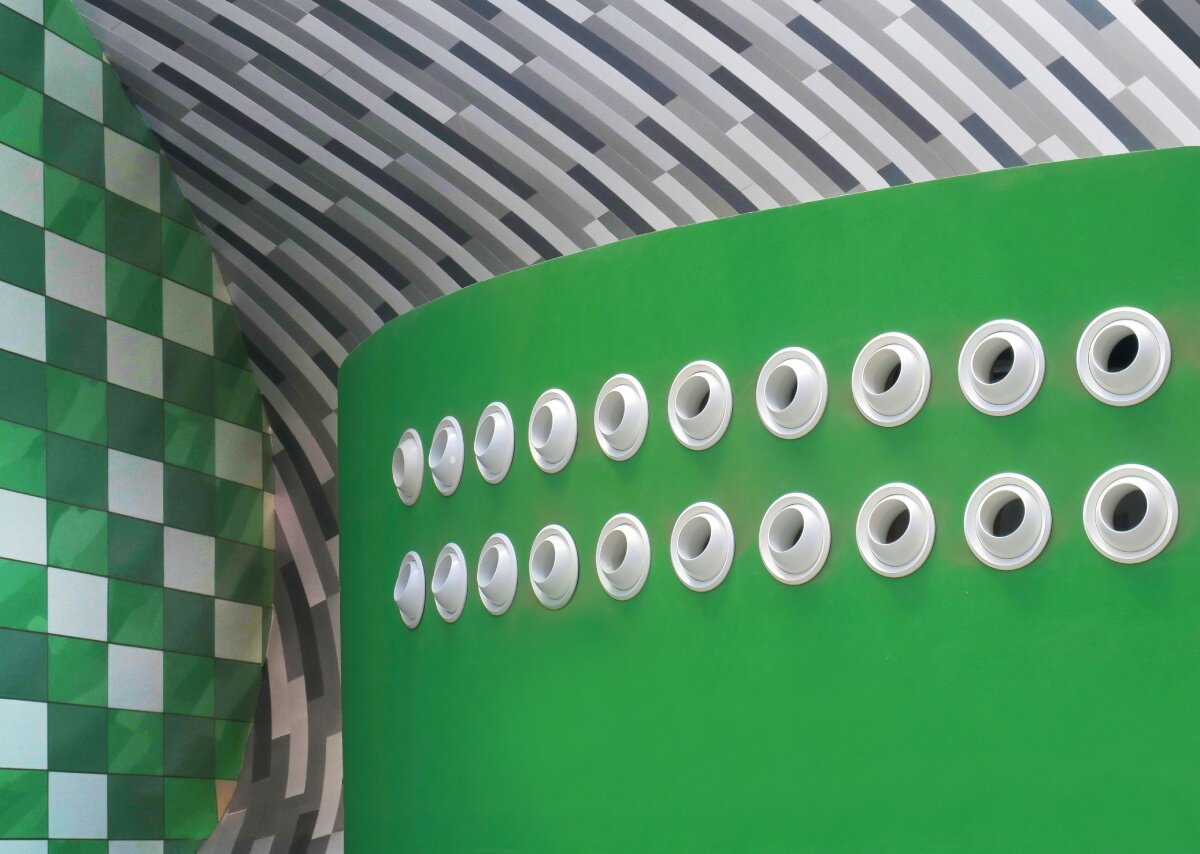
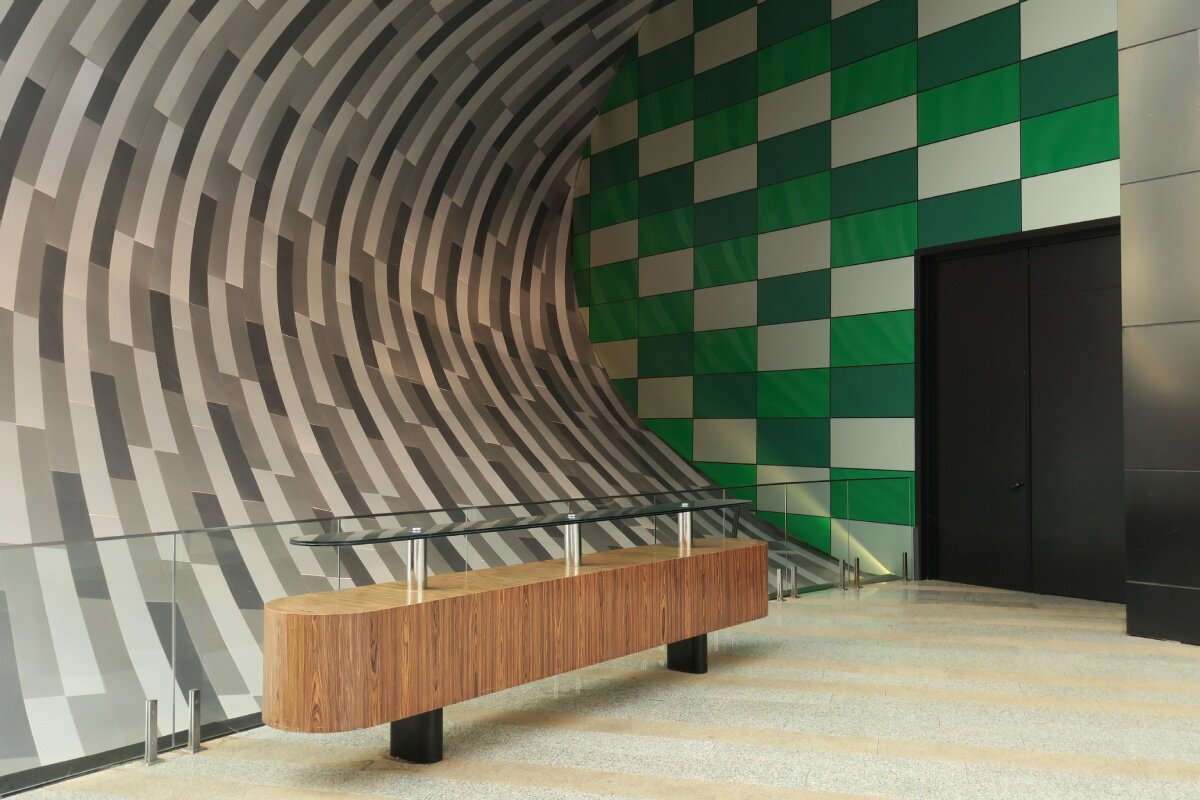
‘My artistic work tends to lean towards abstraction, so Ohtake’s futuristic design of the Bioparque is a perfect muse,’ reflects the Brazilian-American photographer. And so, each frame highlights the structure’s vivid colors, interplay of light and shadow across the curved facades, and distinct spatial planning, with a core focus on the fluidity of the interior spaces.
all images by Paul Clemence
spotlighting ruy ohtake’s vivid hues and bold geometries
In this series, Paul Clemence pays close attention to Ruy Ohtake’s daring use of color and form, emphasizing the emotional resonance of the space. The photographer, who had initially visited the site during its construction in 2015 as part of a book project with the architect and curator Beto Cocenza, reflects on the experience of seeing the completed structure: ‘With his architecture, he truly creates moments of awe, that wonderful feeling of expansion into something new.’
Bioparque Pantanal has been completed after years of delays and interruptions – including those caused by the pandemic – and sits within the Parque das Nações Indígenas in Campo Grande, often referred to as the gateway to Brazil’s wetlands. Beyond its aesthetic and functional attributes, it serves as a hub for eco-tourism, cultural education, and scientific exploration, drawing visitors from across the globe. As a multipurpose cultural center and an educational point, its program includes a 240-seat auditorium that hosts cultural and educational events, classrooms, a library and media center dedicated to Pantanal studies, exhibition spaces for both permanent and temporary displays, interactive stations, and research laboratories and a fish quarantine area, supporting scientific inquiry and conservation efforts. 26 aquariums are also arranged in an elliptical layout, showcasing a kaleidoscope of aquatic life from the Pantanal. The central open space features lush landscapes with nine small ponds, home to larger wetland species such as alligators and otters.

name: Bioparque Pantanal
architect: Ruy Ohtake
location: Brazil
photographer: Paul Clemence | @photobyclemence
1/2