imagining the future on view at Carré d’Art in Nîmes, france
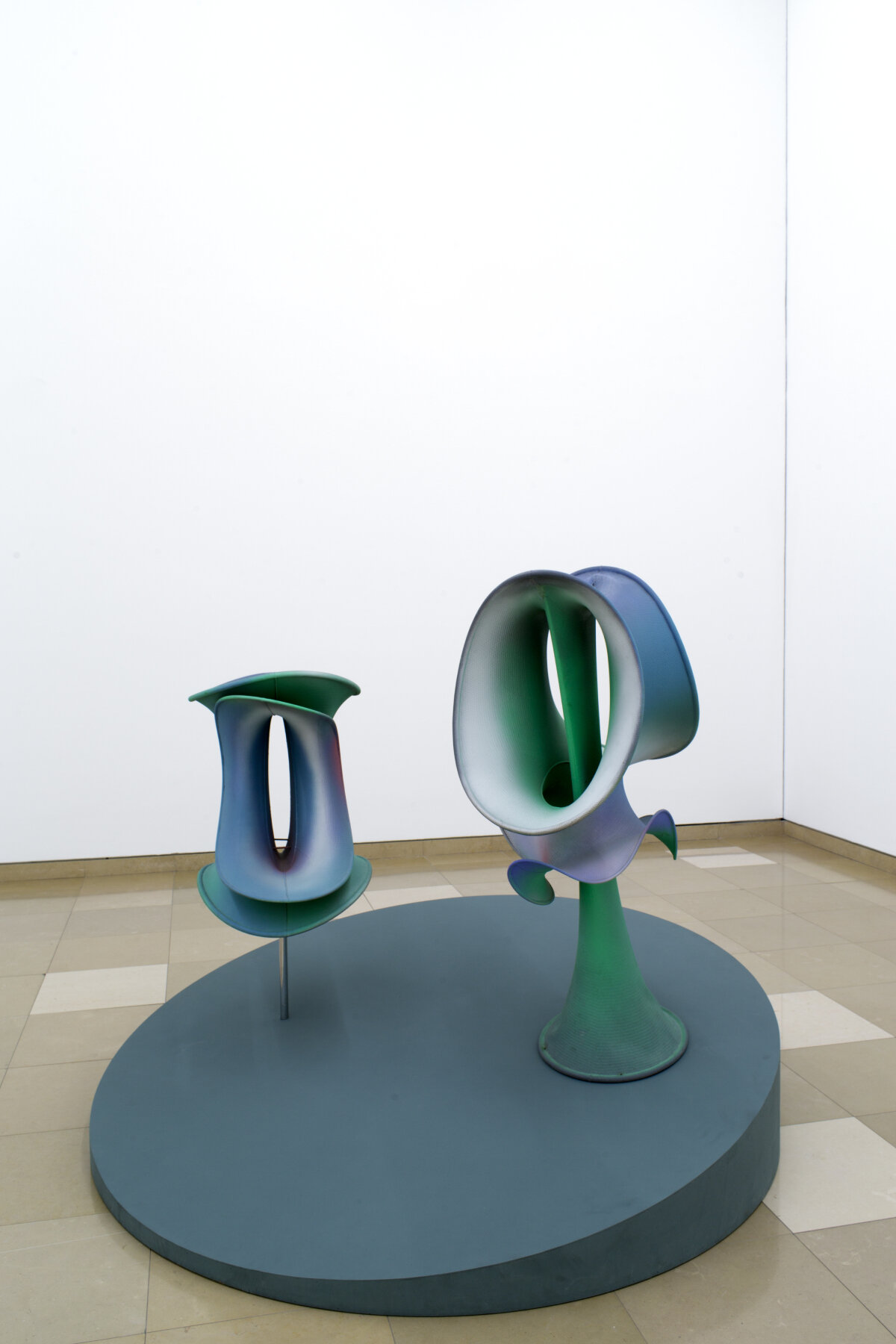
Carré d’Art — Musée d’Art Contemporain de Nîmes presents Imagining the Future, the first major retrospective in Europe dedicated to Aleksandra Kasuba who passed away in 2019. Spanning an entire floor, the exhibition celebrates the Lithuanian-American artist’s legacy, looking at her pioneering work at the intersection of art, design, and spatial environments across several loosely chronological segments.
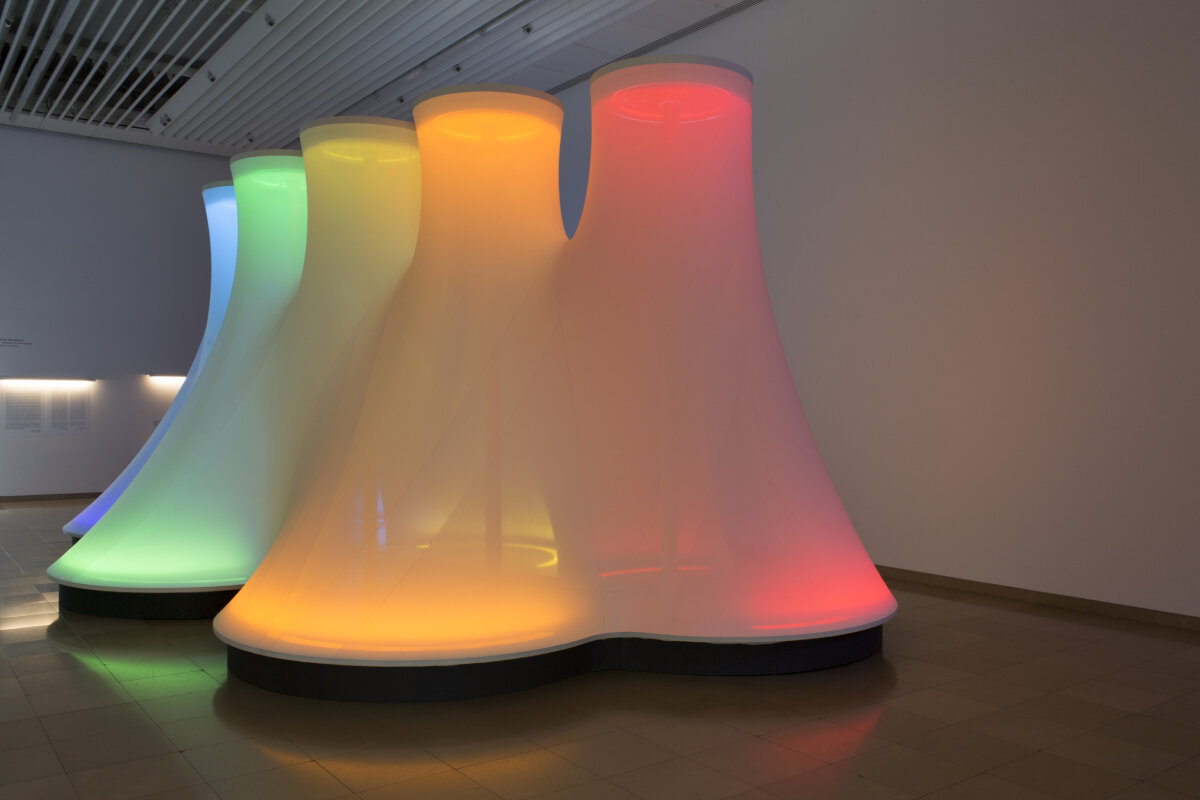
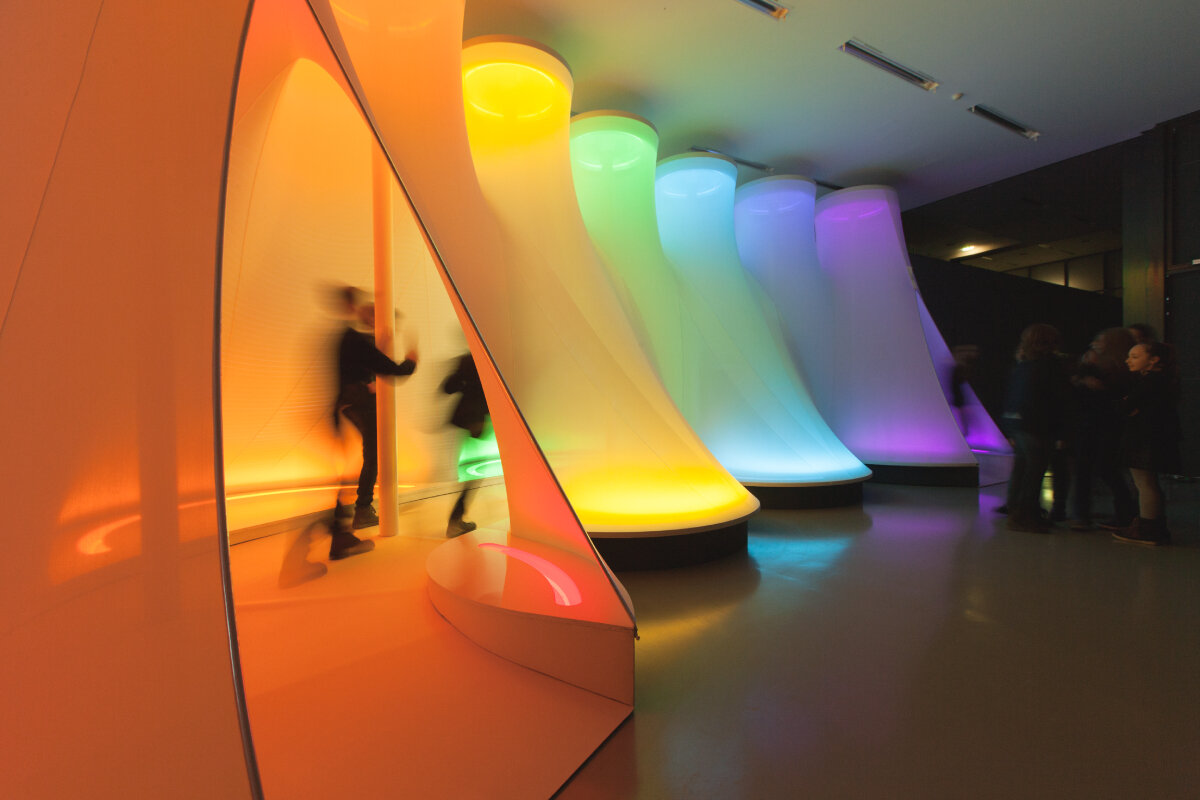
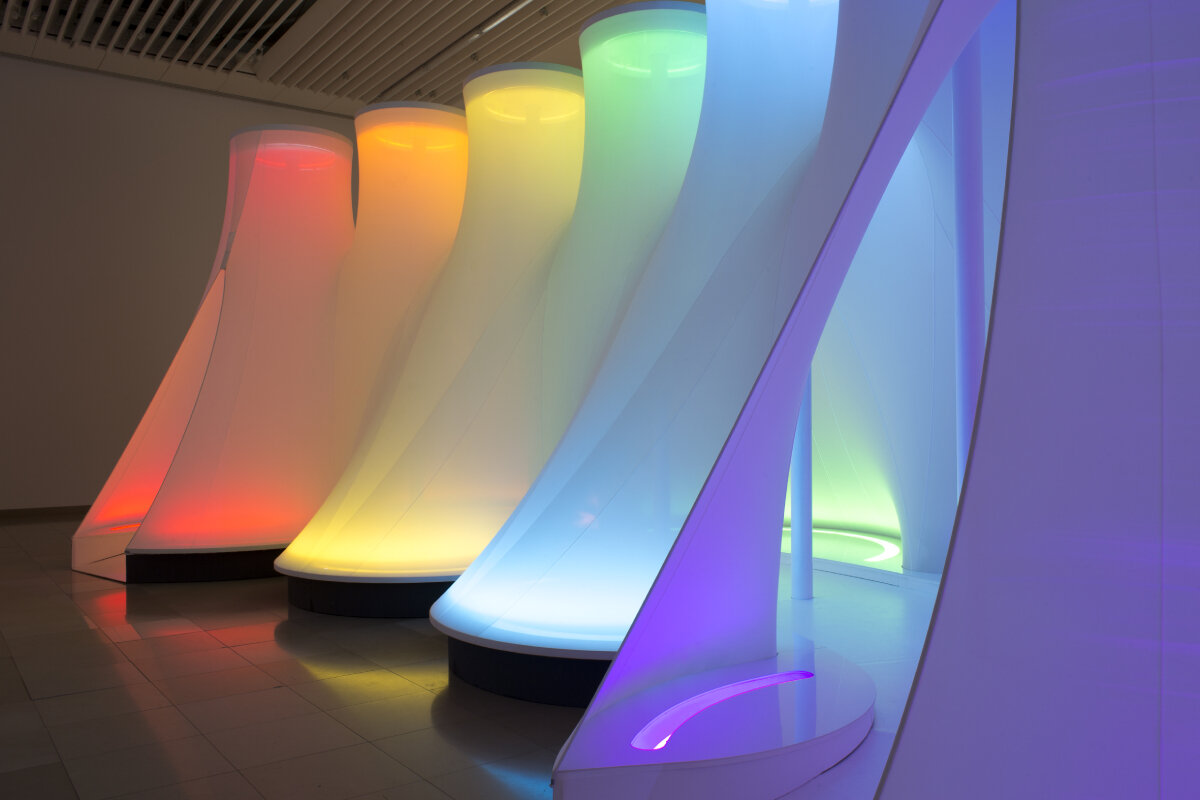
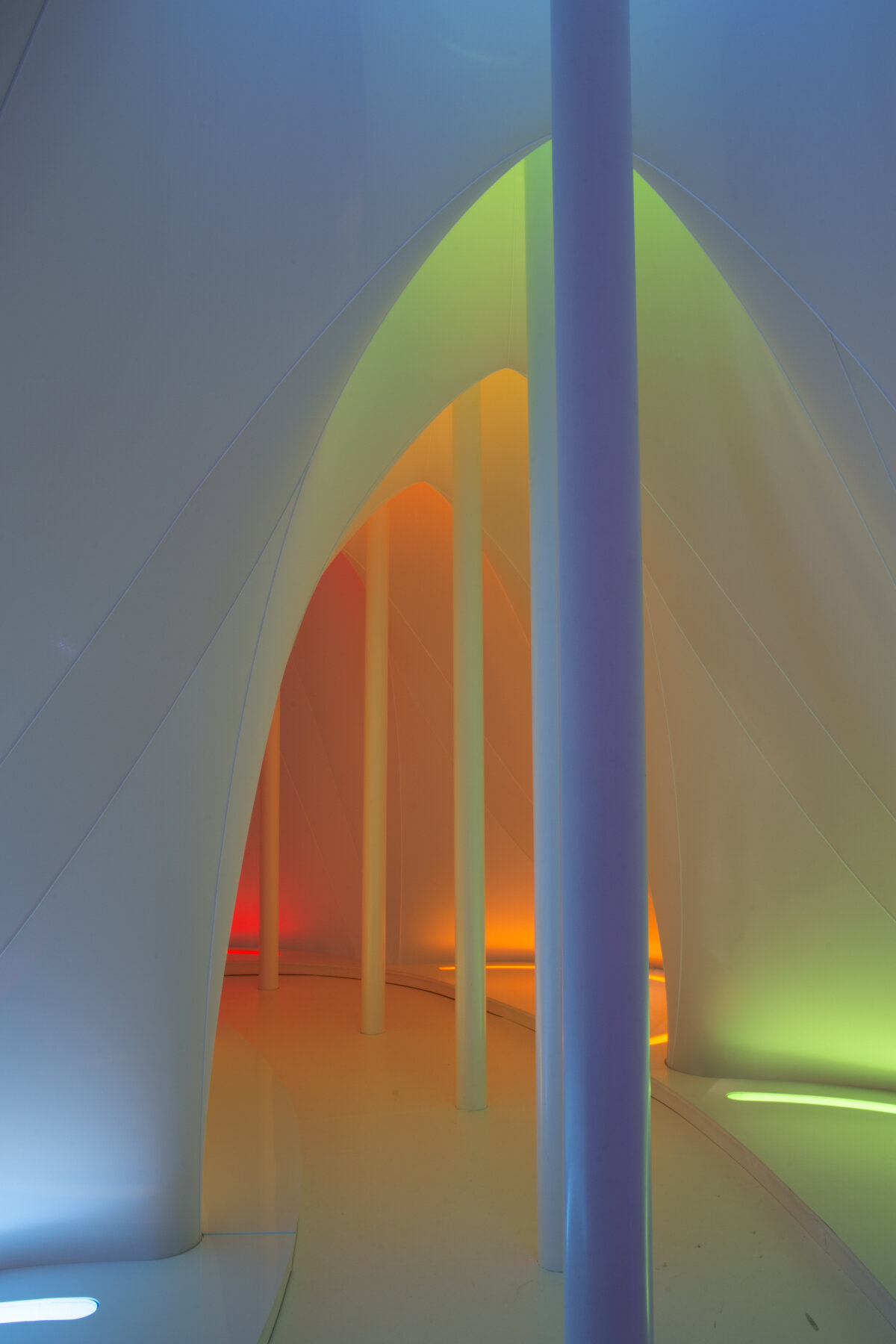
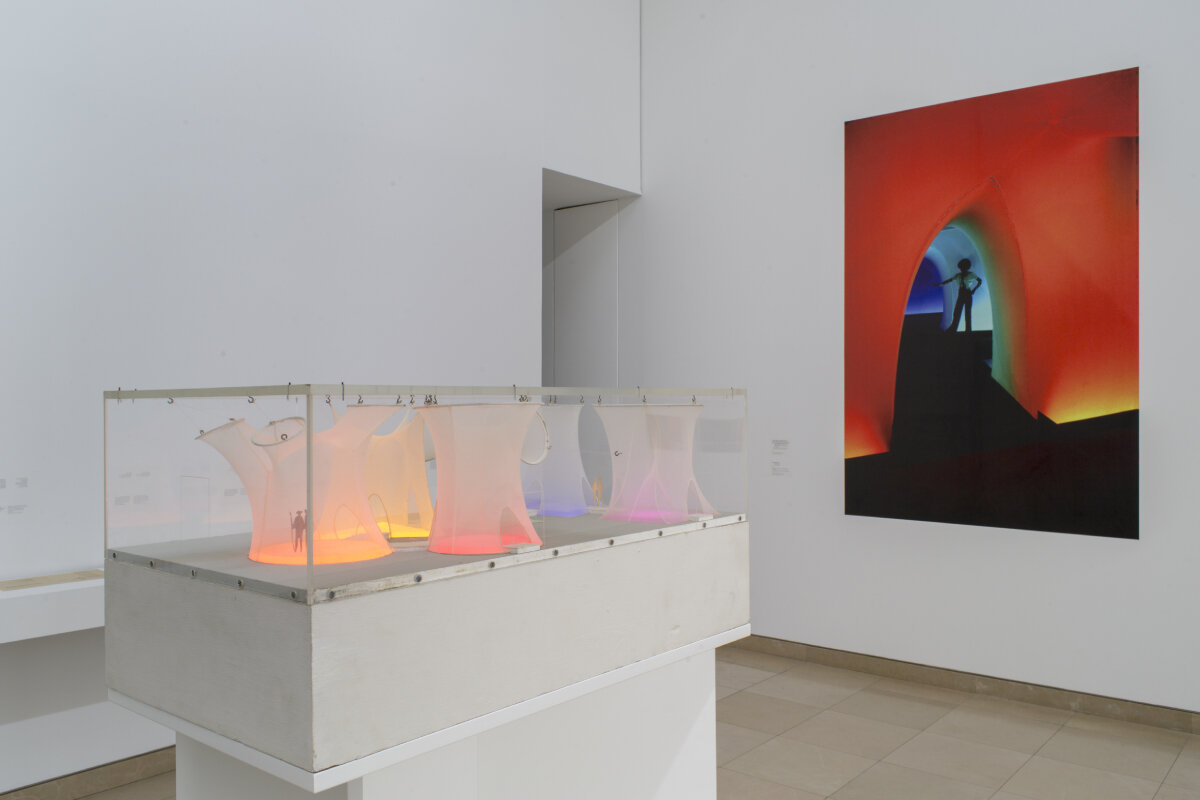
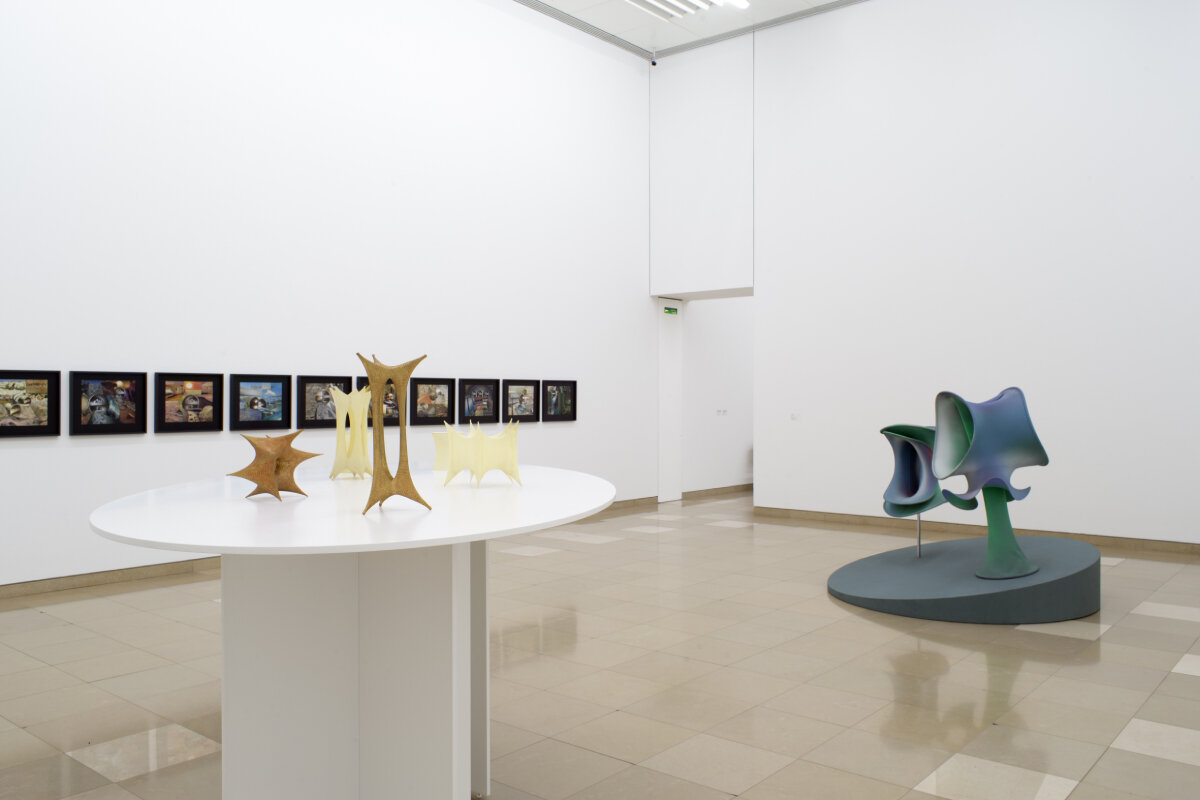
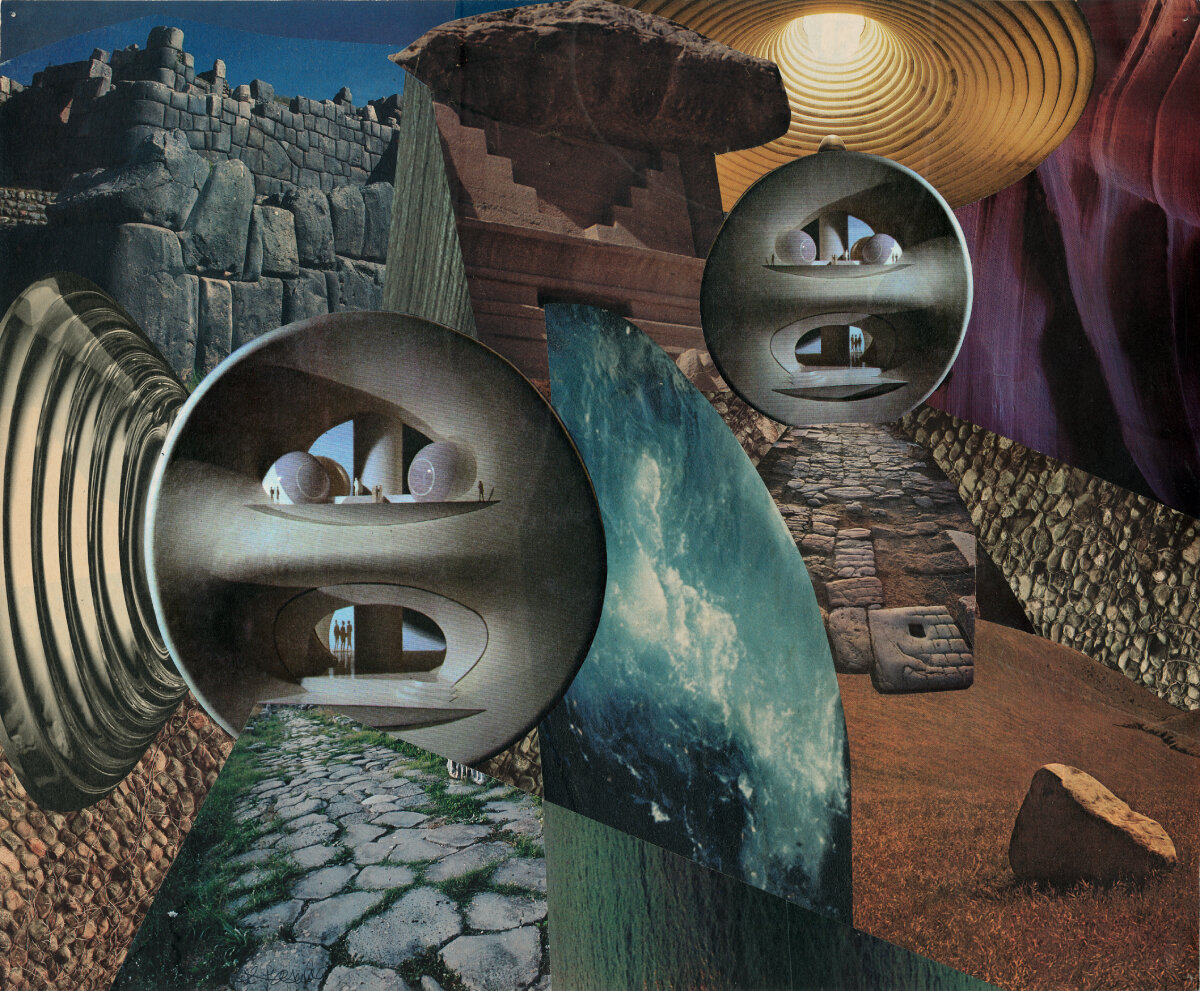
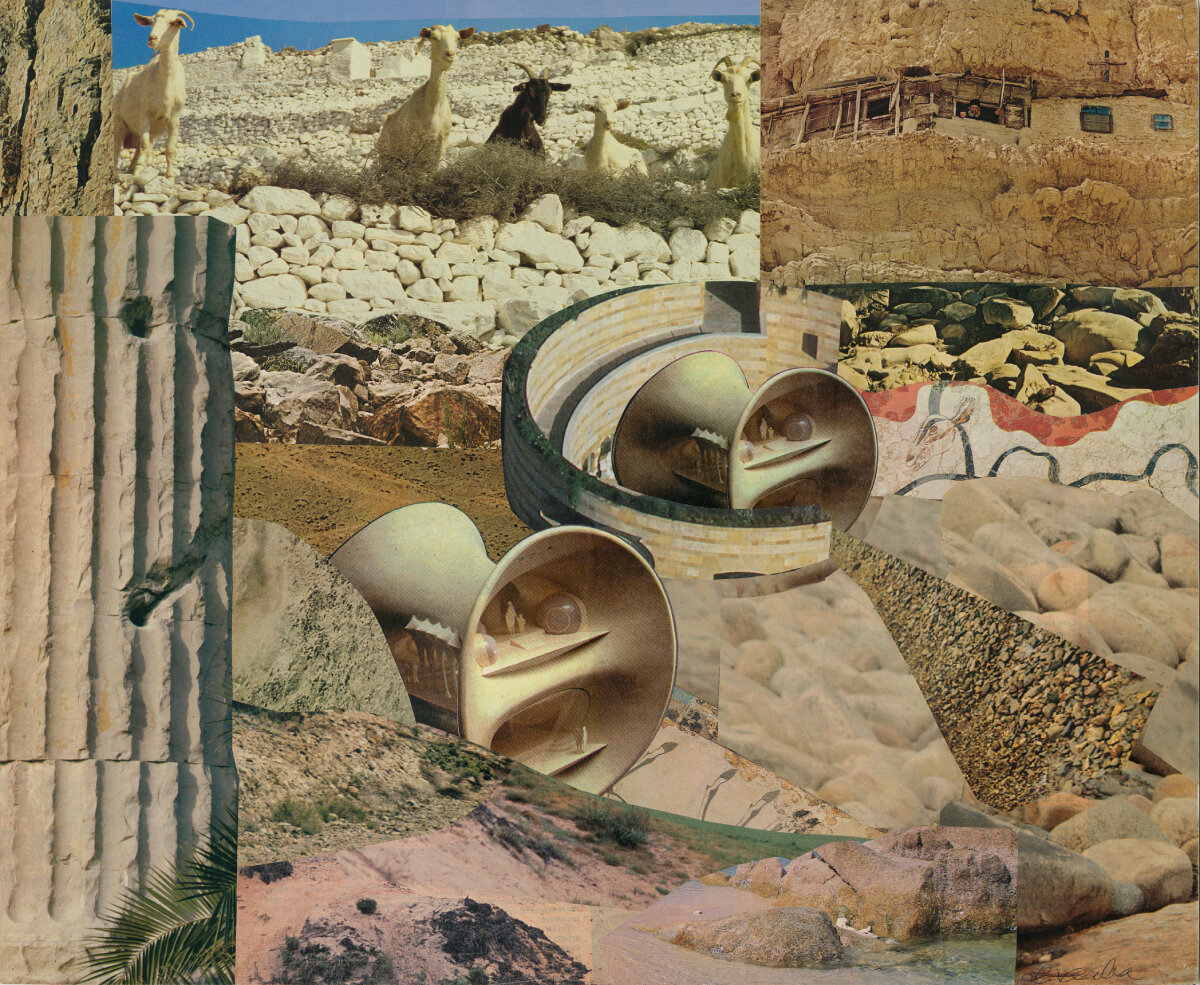
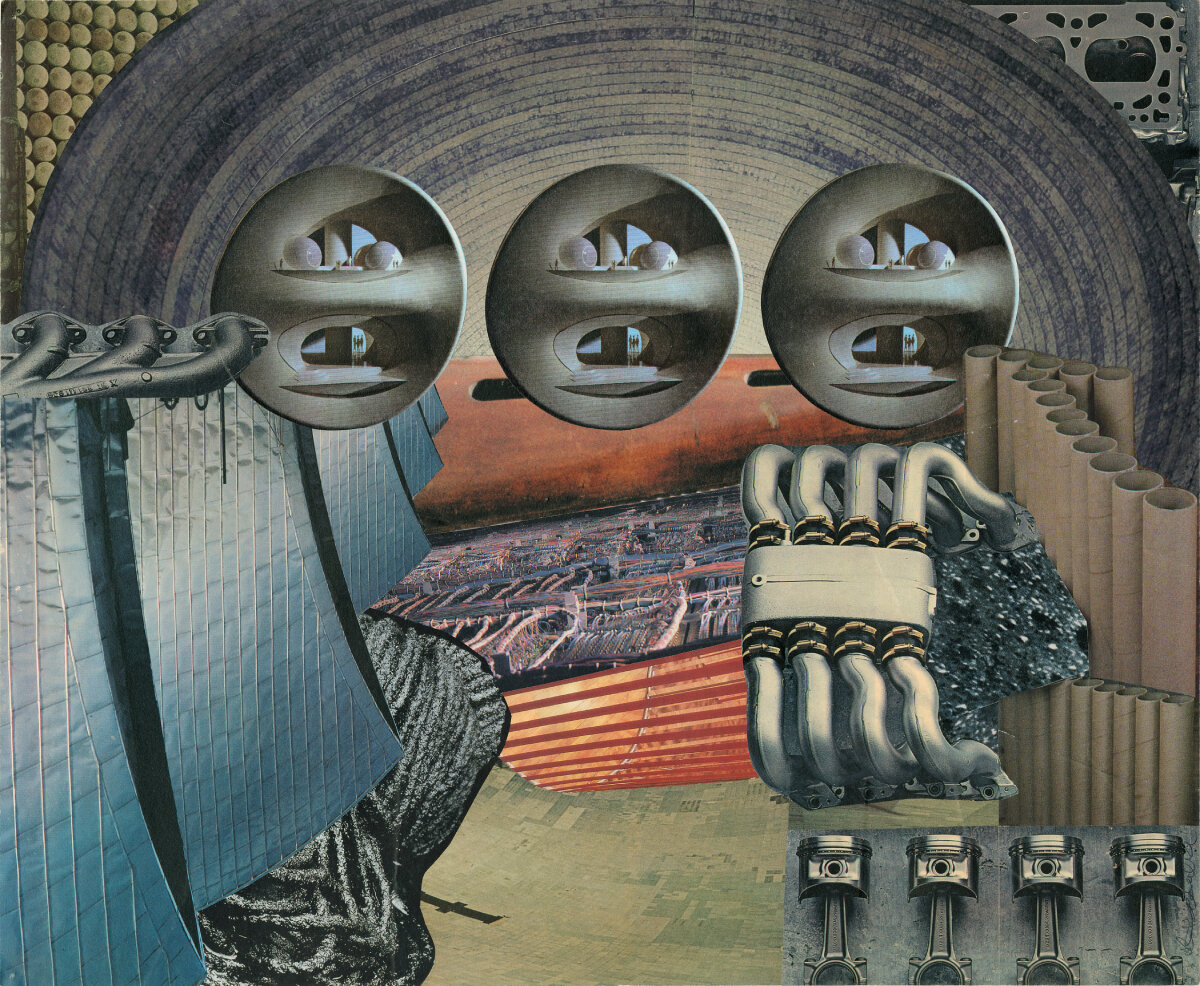
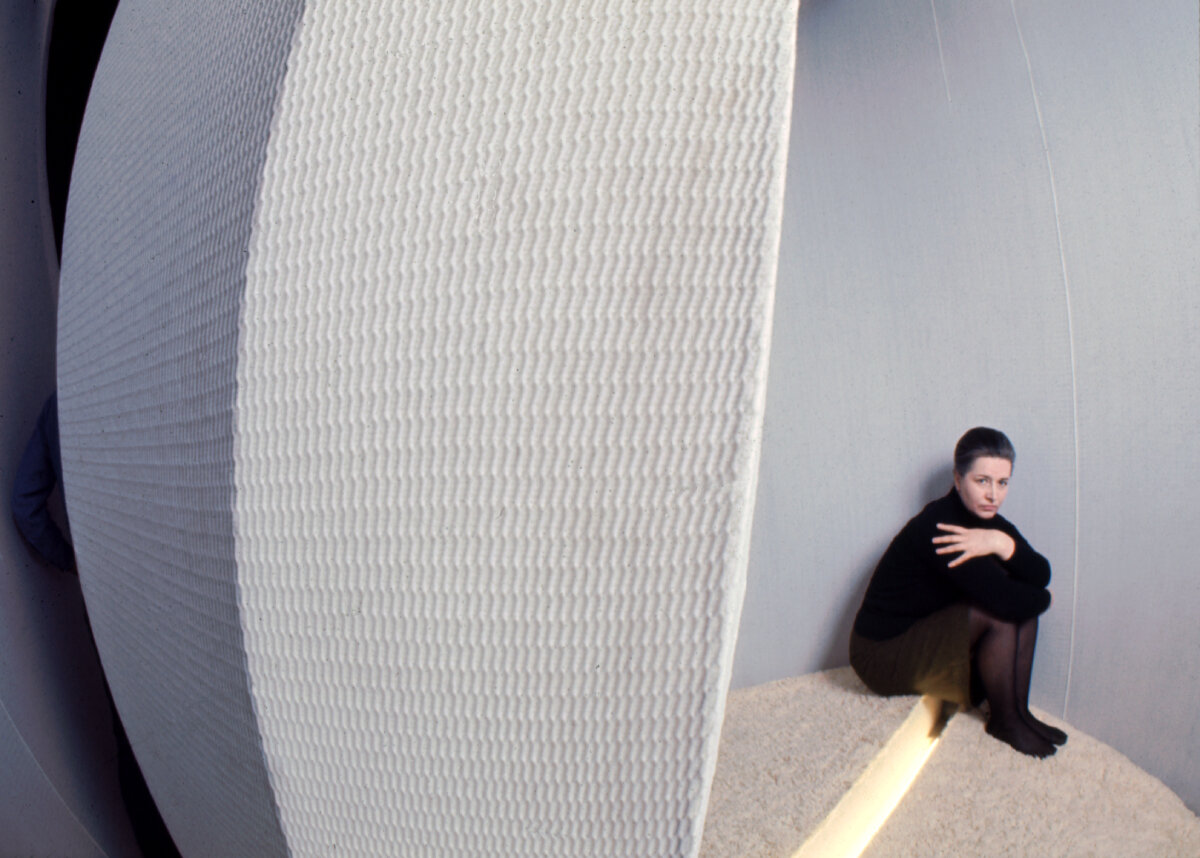
The artist, who fled Lithuania during World War II and later established herself in New York, became renowned for her experimental spatial environments composed of tensile fabrics. Her practice envisioned a world beyond right angles — organic, fluid spaces designed to enhance the sensory and psychological experience of those who inhabit them. These works, shaped like luminous translucent silos, appear alongside marble mosaics, and surreal collages, showcasing her experimentations with scale and illusion. The exhibition traces her artistic evolution, exploring themes of displacement, futurism, and the integration of art with science and technology. Organized in collaboration with the Lithuanian National Museum of Art as part of the 2024 Lithuanian Season in France, it will run until March 23, 2025.
all images courtesy The Lithuanian National Museum of Art
aleksandra kasuba’s first european perspective
Elona Lubytė curates the retrospective as a thematic journey through Aleksandra Kasuba’s oeuvre, beginning with a section titled Wanderer where The Little Man (1950), an existential alter ego that recurs throughout her work, greets the audience. This character, representing the lonely yet resilient wanderer, finds its most striking expression in Kasuba’s Utility for the Soul (1970) manifesto and later watercolors. The exhibition then moves into Spectrum, An Afterthought, where Kasuba’s fascination with light and color comes to life. Originally conceived in 1975, this installation conjures and immersive, prismatic environment that captures the artist’s belief in the transformative power of light.
Kasuba’s contributions to the Experiments in Art and Technology (E.A.T.) movement are further explored in Laboratory of Environments. Here, early plexiglass reliefs and models for the utopian Global Village (1971–1972) illustrate her engagement with technology-driven social spaces.
celebrating her explorations of art, technology, architecture
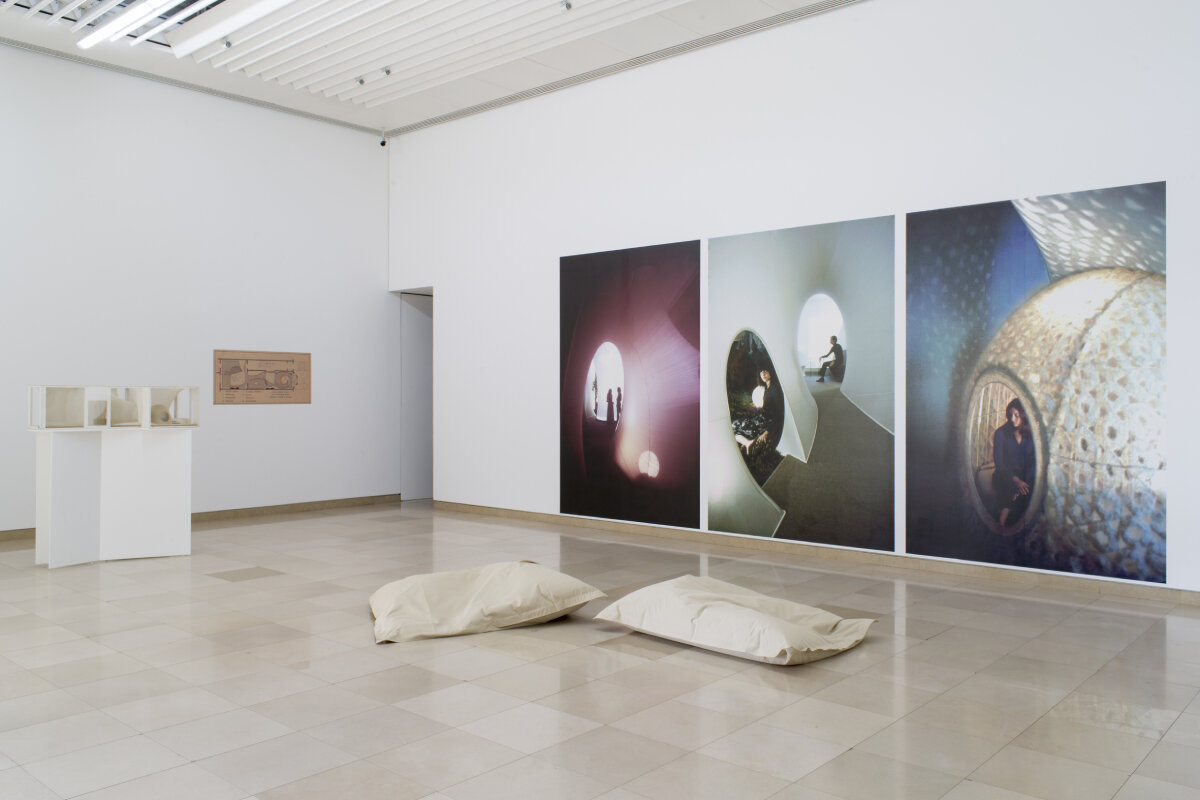
In Environments for the Soul, the curation examines Aleksandra Kasuba’s groundbreaking use of textiles and flexible structures, beginning with Live-In Environment (1971–1972), installed in her own home. This work speaks to her practice of redefining human interaction with space. Ahead, Suspended Gothic (1979), an ambitious public installation created in collaboration with students, reinforces her emphasis on communal artistic engagement.
The dialogue between art and science is further explored in Art in Science, which revisits Kasuba’s participation in research programs at the Philadelphia College of Textiles and Science. The section also includes a tribute from renowned architect Frei Otto, who praised Kasuba’s mastery of tensile structures and organic form. Rock Hill House concludes the exhibition, chronicling the artist’s later years in the New Mexico desert, where she built a self-sustaining home inspired by natural landscapes. Photographs by Judith S. Miller document the desert’s flora and fauna, reinforcing Kasuba’s lifelong exploration of harmony between built and natural environments.

project info:
name: Imagining the Future
artist: Aleksandra Kasuba
gallery: Carré d’Art – Musée d’Art Contemporain de Nîmes
dates: October 25, 2024 — March 23, 2025